What is a Vendor?
The external companies and individuals that sell goods and services to your organization, forming the foundation of your supply chain.
Quick Definition
A vendor (also called a supplier) is a company or individual that sells goods or services to another organization in a business-to-business (B2B) relationship. Vendors are the parties you purchase from and pay through accounts payable.
- External parties in your supply chain
- Managed through vendor master data
- Critical for operations and cost management
Understanding Vendors
Vendors are the companies and individuals that supply your organization with the goods and services needed to operate. From office supplies to raw materials, software subscriptions to professional services—nearly everything your organization buys comes from a vendor.
In accounts payable, vendors are the parties on the receiving end of your payments. When they deliver goods or provide services, they send invoices. Your AP team processes these invoices, matches them to purchase orders, and ultimately pays the vendor according to agreed terms.
Managing vendors effectively involves:
- Selection — Choosing reliable vendors with competitive pricing
- Onboarding — Collecting information and setting up in systems
- Performance — Monitoring quality, delivery, and compliance
- Payment — Processing invoices and paying on time
Organizations often work with hundreds or even thousands of vendors, making vendor management a significant operational challenge—and opportunity for optimization.
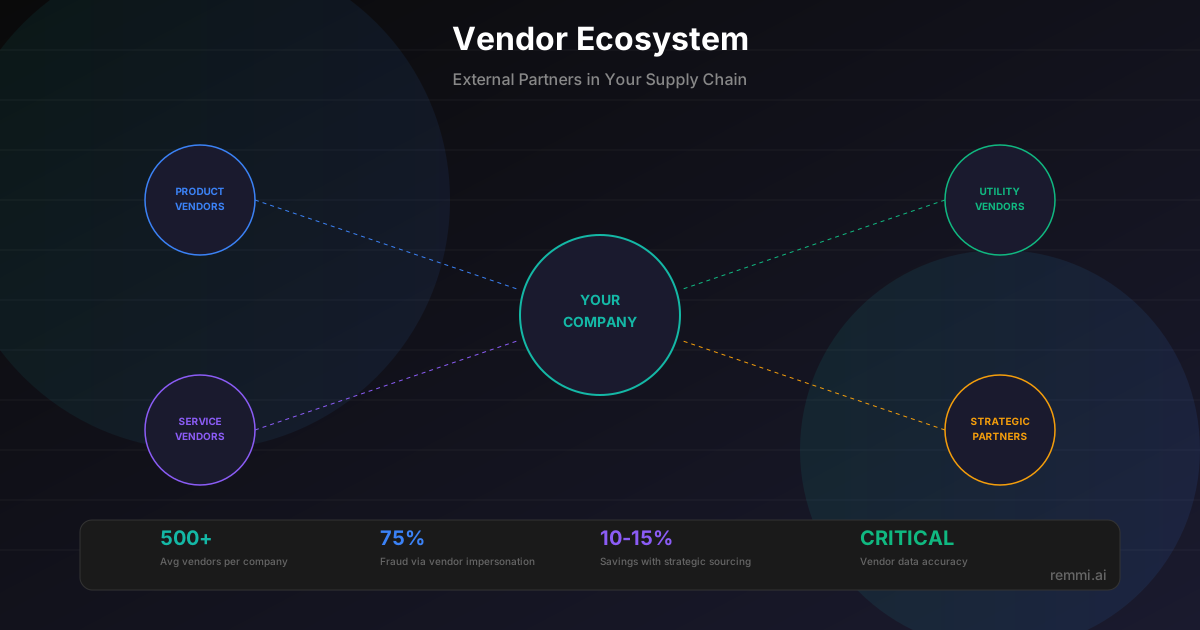
Types of Vendors
Product Vendors
Companies selling physical goods—inventory, supplies, equipment, materials.
Service Vendors
Companies providing services—consulting, maintenance, cleaning, professional services.
Utility Vendors
Providers of essential services—electricity, gas, water, telecommunications, internet.
Strategic Vendors
Key partners critical to operations—often with long-term contracts and deep integration.
Why Vendor Management Matters
Cost savings with strategic sourcing
Of fraud involves vendor impersonation
Avg vendors at mid-size companies
Effective vendor management directly impacts costs, quality, compliance, and fraud risk. Organizations that actively manage vendor relationships outperform those that don't.
Vendor Management Best Practices
Verify Before Onboarding
Validate new vendors thoroughly—check tax IDs, verify banking details, confirm legitimacy before any payments.
Maintain Clean Master Data
Keep vendor records accurate and current. Regularly audit for duplicates, outdated info, and inactive vendors.
Establish Preferred Vendors
Negotiate volume agreements with top vendors to get better pricing, terms, and priority service.
Monitor Performance
Track vendor metrics—on-time delivery, quality, responsiveness—and address issues proactively.
Build Relationships
Treat key vendors as partners. Strong relationships lead to better service, flexibility, and innovation.
Vendor-Related Risks to Watch
- ×Vendor impersonation fraud — Fraudsters posing as vendors to redirect payments
- ×Ghost vendors — Fake vendors created by insiders for fraudulent payments
- ×Duplicate vendors — Same vendor with multiple records, causing control issues
- ×Stale vendor data — Outdated banking info leading to failed or misdirected payments
Related Terms
Supplier
Provider of raw materials or components
Accounts Payable
Department managing vendor invoices and payments
Purchase Order
Document authorizing a purchase from a vendor
Vendor Management
Process of managing vendor relationships
Invoice
Document requesting payment for goods or services
Three-Way Match
Matching PO, receipt, and invoice before payment