What is Payment Processing?
The end-to-end workflow of executing vendor payments, from batching approved invoices through approval routing to final settlement via ACH, wire, check, or card.
Quick Definition
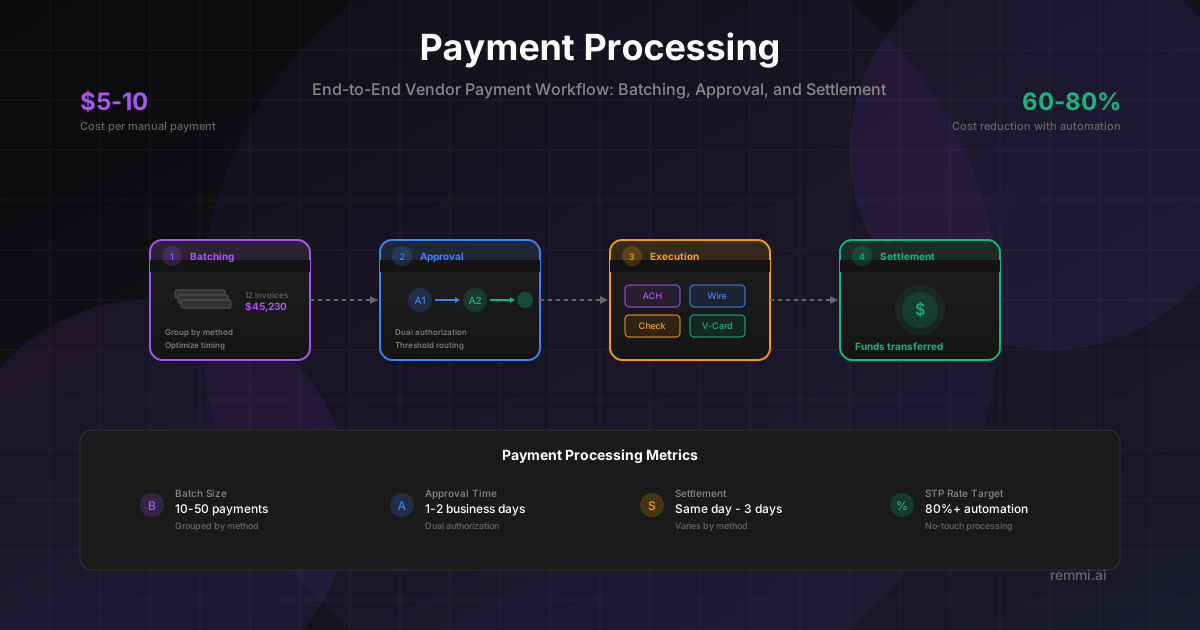
Payment processing is the end-to-end workflow of executing vendor payments, including batching transactions together, routing through approval chains, and settling funds through various payment methods such as ACH, wire transfer, or check.
- Groups payments into efficient batches
- Routes through configurable approval workflows
- Settles via ACH, wire, check, or virtual card
Understanding Payment Processing
Payment processing encompasses everything that happens between an approved invoice and money arriving in a vendor's account. For accounts payable teams, this is the critical final step that directly impacts vendor relationships, cash flow, and compliance.
Modern payment processing goes far beyond simply sending money. It involves strategic batching to optimize costs, multi-level approval workflows to prevent fraud, integration with ERP and banking systems, and detailed audit trails for compliance and reconciliation.
The goal of efficient payment processing is to maximize straight-through processing (STP) rates while maintaining appropriate controls. Organizations with mature payment processing capabilities can achieve 80%+ automation rates, significantly reducing costs and accelerating payment cycles.
The Payment Processing Workflow
Payment Initiation
Approved invoices are selected for payment based on due dates, payment terms, and cash availability. Invoices are grouped and prepared for batching.
Payment Batching
Payments are organized into batches by method (ACH, wire, check), payment date, or other criteria. Batching reduces costs and simplifies reconciliation.
Approval Routing
Payment batches are routed through approval workflows based on amount thresholds, vendor type, or other policies. Multiple approvers may be required.
Payment Execution
Approved batches are transmitted to banking systems. ACH files are sent to banks, wire instructions are submitted, or checks are printed and mailed.
Settlement
Funds are transferred from payer to payee accounts. Settlement time varies: same-day for wires, 1-3 days for ACH, 5-10 days for checks.
Reconciliation
Payment confirmations are matched against bank statements. Any exceptions or returns are flagged for investigation and resolution.
Payment Method Comparison
ACH Payment
- +Low cost (free to $1)
- +Batch processing efficient
- -1-3 days settlement
Best for: Routine vendor payments
Wire Transfer
- +Same-day settlement
- +International capable
- -Higher cost ($15-50+)
Best for: Urgent, high-value payments
Check Payment
- +Familiar to vendors
- +Paper trail
- -Slow (5-10 days), fraud risk
Best for: Vendors without electronic capability
Virtual Card
- +Instant processing
- +Rebates available
- -Requires vendor acceptance
Best for: Vendors accepting card payments
Why Payment Processing Matters
Average cost per manual payment
Target automation rate for mature AP
Faster with straight-through processing
Efficient payment processing directly impacts working capital, vendor relationships, and operational costs. Organizations that automate their payment workflows reduce processing costs by 60-80% while improving accuracy and control.
Key Components of Payment Processing
Payment Batching
Grouping payments by method, date, or vendor to optimize costs and simplify processing. Weekly or bi-weekly batch runs are common.
Approval Workflows
Configurable routing rules based on amount thresholds, vendor type, cost center, or other criteria. Dual approval is standard for larger payments.
Fraud Prevention
Controls including positive pay, dual authorization, bank account verification, and payment limits to prevent unauthorized transactions.
Bank Integration
Automated file transmission to banks for ACH batches, wire instructions, and check printing. Real-time status updates and confirmations.
Cash Flow Management
Optimizing payment timing to maintain working capital while capturing early payment discounts when beneficial.
Common Payment Processing Challenges
- !Payment Fraud — Business email compromise and vendor impersonation lead to misdirected payments
- !Duplicate Payments — Same invoice paid multiple times due to poor controls or duplicate invoices
- !Approval Bottlenecks — Manual approval processes causing payment delays and missed discounts
- !Reconciliation Gaps — Difficulty matching payments to invoices and bank transactions
Payment Processing Best Practices
| Practice | Description | Benefit |
|---|---|---|
| Dual Authorization | Require two approvers for payments above threshold | Prevents unauthorized payments |
| Regular Batching | Run payment batches on consistent schedule | Predictable cash flow, lower costs |
| Bank Verification | Verify new/changed bank details via phone | Prevents payment fraud |
| Positive Pay | Use positive pay service for check payments | Blocks fraudulent checks |
Related Terms
ACH Payment
Electronic bank transfers through the ACH network
Wire Transfer
Real-time individual bank transfers for urgent payments
Electronic Payment
Digital methods for transferring funds between parties
Accounts Payable
Department managing vendor invoices and payments