SaaS Subscription Management: Tracking and Optimizing Software Spend Through AP
Software subscriptions have become a significant and often opaque expense category. By leveraging AP data and processes, organizations can gain visibility into SaaS spending, eliminate waste, and optimize their software portfolio.
Ryan Shugars
Director of Product

The average enterprise now uses over 300 SaaS applications, with spend growing 15-20% annually. Yet most organizations lack clear visibility into what software they're paying for, whether it's being used, and when renewals occur. This SaaS sprawl costs companies an estimated 25-30% of their software budget in unused licenses, duplicate tools, and auto-renewed subscriptions that no one requested.
Accounts payable sits at the intersection of all software spending, processing invoices from dozens or hundreds of SaaS vendors. This unique position makes AP the natural hub for subscription visibility and management. By systematically capturing and analyzing subscription data during invoice processing, organizations can transform AP from a passive bill-payer into an active software spend optimizer.
The challenge extends beyond simple cost reduction. Without proper subscription management, organizations face compliance risks from unlicensed software, security vulnerabilities from abandoned tools with active credentials, and operational disruptions when critical subscriptions lapse unexpectedly. A comprehensive AP-centered approach addresses all these dimensions while delivering immediate cost savings.
The Hidden Costs of SaaS Sprawl
Software subscription waste occurs in multiple forms, each requiring different detection and remediation approaches. Understanding these waste categories helps prioritize optimization efforts and quantify the business case for improved subscription management.
Common Sources of SaaS Waste
20-35% of licenses unused
- - Employees who left still licensed
- - Purchased but never deployed
- - Annual seats exceeding actual need
3-5 tools per category average
- - Multiple project management tools
- - Redundant video conferencing
- - Overlapping design software
40%+ renew without review
- - Contracts renewing at list price
- - Abandoned pilots becoming annual
- - Tier upgrades not downgraded
30-50% of apps unmanaged
- - Department credit card purchases
- - Free tier tools with paid upgrades
- - Employee expense reimbursements
Quantifying Your SaaS Waste
Organizations typically discover 15-30% savings opportunities when they first gain visibility into their complete SaaS portfolio. For a company spending $5 million annually on software subscriptions, that represents $750,000 to $1.5 million in potential savings, often achievable within the first year of implementing proper subscription management.
The ROI calculation extends beyond direct cost savings. Improved renewal management preserves negotiating leverage, preventing the automatic price increases that occur when renewals proceed without vendor engagement. Companies that actively negotiate renewals save an additional 10-20% compared to auto-renewal pricing, compounding the benefits of better subscription visibility.
The Auto-Renewal Trap
Most SaaS contracts include auto-renewal clauses requiring 30-90 day advance notice to cancel or renegotiate. Without proactive tracking, organizations miss these windows and lock into another term at existing or increased pricing. AP invoice data provides the foundation for renewal alertingthat prevents this costly oversight.
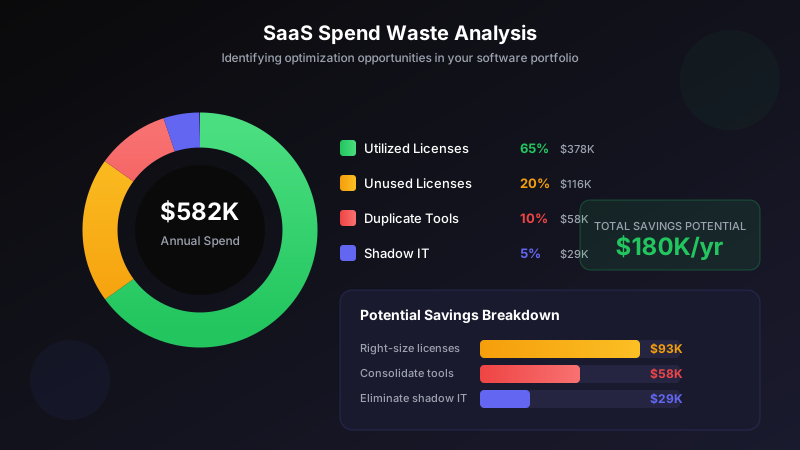
Analyzing SaaS spending reveals multiple opportunities for optimization and cost reduction
Building SaaS Visibility Through AP
AP processes naturally capture essential subscription data with every invoice. Systematically extracting and organizing this information builds a comprehensive subscription inventory without requiring separate discovery tools or manual audits across the organization.
Capturing Subscription Data at Invoice Processing
Software invoices contain rich subscription data that traditional AP processing ignores. By expanding data capture during invoice processing, organizations build a living subscription database that stays current automatically.
- Vendor and product: Software provider name and specific product or service
- License count: Number of seats, users, or licenses included
- Subscription period: Start and end dates for the billing term
- Billing frequency: Monthly, annual, or multi-year terms
- Renewal terms: Auto-renewal status and notice period requirements
- Cost breakdown: Per-user pricing, add-ons, and tier information
Categorizing and Normalizing SaaS Spend
Raw invoice data requires categorization to enable meaningful analysis. Mapping subscriptions to functional categories reveals duplicate tools and highlights spending patterns across the organization.
SaaS Category Framework
Productivity
- - Office suites
- - Communication tools
- - Project management
- - Document storage
Operations
- - ERP systems
- - CRM platforms
- - HR and payroll
- - Finance and accounting
Technical
- - Development tools
- - Cloud infrastructure
- - Security software
- - Analytics platforms
Connecting AP Data to Usage
AP data shows what you're paying for, but optimization requires knowing what's actually being used. Integrating subscription data with IT asset management, single sign-on logs, or vendor-provided usage reports enables identification of unused licenses. Even partial usage data dramatically improves optimization targeting, focusing attention on subscriptions most likely to yield savings.
Implementing Renewal Management
Proactive renewal management transforms subscription spending from a passive expense into an active optimization opportunity. Building renewal workflows into AP processes ensures every subscription receives appropriate review before committing to another term.

Structured renewal workflows ensure every subscription receives timely review and optimization
Building a Renewal Calendar
A centralized renewal calendar provides the foundation for proactive subscription management. Populating this calendar from AP invoice data ensures comprehensive coverage across all SaaS vendors without relying on departmental memory or scattered contract files.
- 90 days out: Initial renewal alert to business owner for usage assessment
- 60 days out: Escalation if no response, begin vendor outreach if renewing
- 45 days out: Negotiation deadline for most contract notice periods
- 30 days out: Final decision required, cancellation window closing
- Post-renewal: Verify new terms reflected in next invoice
Renewal Review Checklist
Negotiation Strategies for SaaS Renewals
Armed with usage data and competitive intelligence, AP teams can support effective renewal negotiations. The key is engaging vendors early enough to explore options while preserving the ability to walk away if terms aren't acceptable.
- Right-size licenses: Reduce seat counts to match actual usage with growth buffer
- Tier optimization: Downgrade to lower tiers if premium features aren't utilized
- Multi-year deals: Trade commitment for discount when strategic fit is clear
- Consolidation leverage: Negotiate better rates by bundling vendor products
- Competitive pressure: Research alternatives before negotiating to establish BATNA
Timing Is Everything
SaaS vendors often offer better deals at quarter-end and year-end when sales teams are pushing to meet quotas. Aligning renewal negotiations with vendor fiscal calendars can yield additional 5-15% savings. AP's view across all vendor relationships enables strategic timing of multiple renewals to maximize negotiating leverage.
Identifying and Eliminating Waste
With subscription visibility and renewal management in place, organizations can systematically identify and eliminate SaaS waste. Different waste types require different detection and remediation approaches.
Waste Detection Strategies
Unused Licenses
- Compare license counts to active users
- Check SSO logs for login frequency
- Request vendor usage reports
- Survey department managers quarterly
Duplicate Tools
- Map all tools to functional categories
- Identify overlapping capabilities
- Analyze user overlap across tools
- Build consolidation business case
Orphaned Subscriptions
- Match subscriptions to active projects
- Verify owner still with company
- Check for activity in last 90 days
- Identify pilot programs that continued
Shadow IT
- Analyze expense report patterns
- Review corporate card transactions
- Network traffic analysis for SaaS
- Employee surveys on tool usage
Building the Business Case for Consolidation
Eliminating duplicate tools requires careful change management. Users have preferences and workflows built around current tools. Building a compelling business case helps overcome resistance and gain organizational buy-in for consolidation initiatives.
Start with categories showing the most duplication and waste. Project management, communication, and design tools typically offer the highest consolidation potential, with many organizations running 3-5 competing tools in each category. Quantify the cost savings, productivity gains from standardization, and security benefits of reduced tool sprawl.
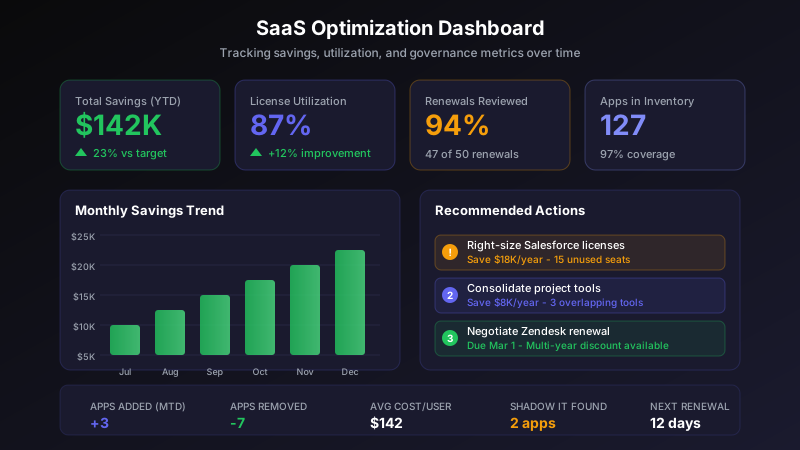
Ongoing optimization tracking ensures sustained savings and prevents SaaS sprawl from recurring
Establishing Ongoing Governance
One-time cleanup efforts provide immediate savings but require ongoing governance to prevent SaaS sprawl from recurring. Building subscription management into standard AP processes creates sustainable visibility and control.
SaaS Governance Framework
New Subscription Approval
IT and Finance review for all new SaaS purchases
Required
Usage Review Frequency
Regular assessment of license utilization
Quarterly
Renewal Lead Time
Minimum advance notice for renewal reviews
90 Days
Spend Threshold Review
Subscriptions above threshold require annual business case
$10K+/year
Measuring Subscription Management Success
Track key metrics to evaluate subscription management program effectiveness and demonstrate value to stakeholders. Regular reporting maintains executive attention and funding for ongoing optimization efforts.
Key Performance Metrics
SaaS Spend Visibility
Percentage of software spend tracked in inventory
Target: 95%+
License Utilization Rate
Active users as percentage of purchased licenses
Target: 85%+
Renewal Review Rate
Percentage of renewals reviewed before auto-renewal
Target: 100%
Cost Avoidance/Savings
Annual savings from optimization activities
Track monthly
The Bottom Line
SaaS subscription management represents a significant opportunity for organizations to reduce costs while improving visibility and control over their software portfolio. By leveraging AP's natural position at the center of all software spending, organizations can build comprehensive subscription management without deploying additional discovery tools or relying on departmental reporting.
The path forward starts with capturing subscription data during invoice processing, building a renewal calendar that triggers proactive reviews, and establishing governance processes that prevent sprawl from recurring. Each step delivers measurable value while building toward comprehensive subscription management.
For organizations just beginning their subscription management journey, start with the highest-spend vendors and most obvious waste categories. Quick wins build momentum and fund expanded efforts. Most organizations achieve 15-30% savings in the first year, with ongoing governance preventing regression and enabling continuous optimization.
Start with What You Have
You don't need specialized SaaS management tools to begin. Start by analyzing your AP data to build a subscription inventory, identify upcoming renewals, and spot obvious duplicates. This foundation enables immediate actionwhile informing whether dedicated tooling would provide additional value for your organization's specific needs.
Ryan Shugars
Director of Product
Ryan has spent 15 years as a Systems Architect, building enterprise solutions that transform how organizations manage their financial operations.